Beyond the Panic: Why AI Belongs in Better Hands
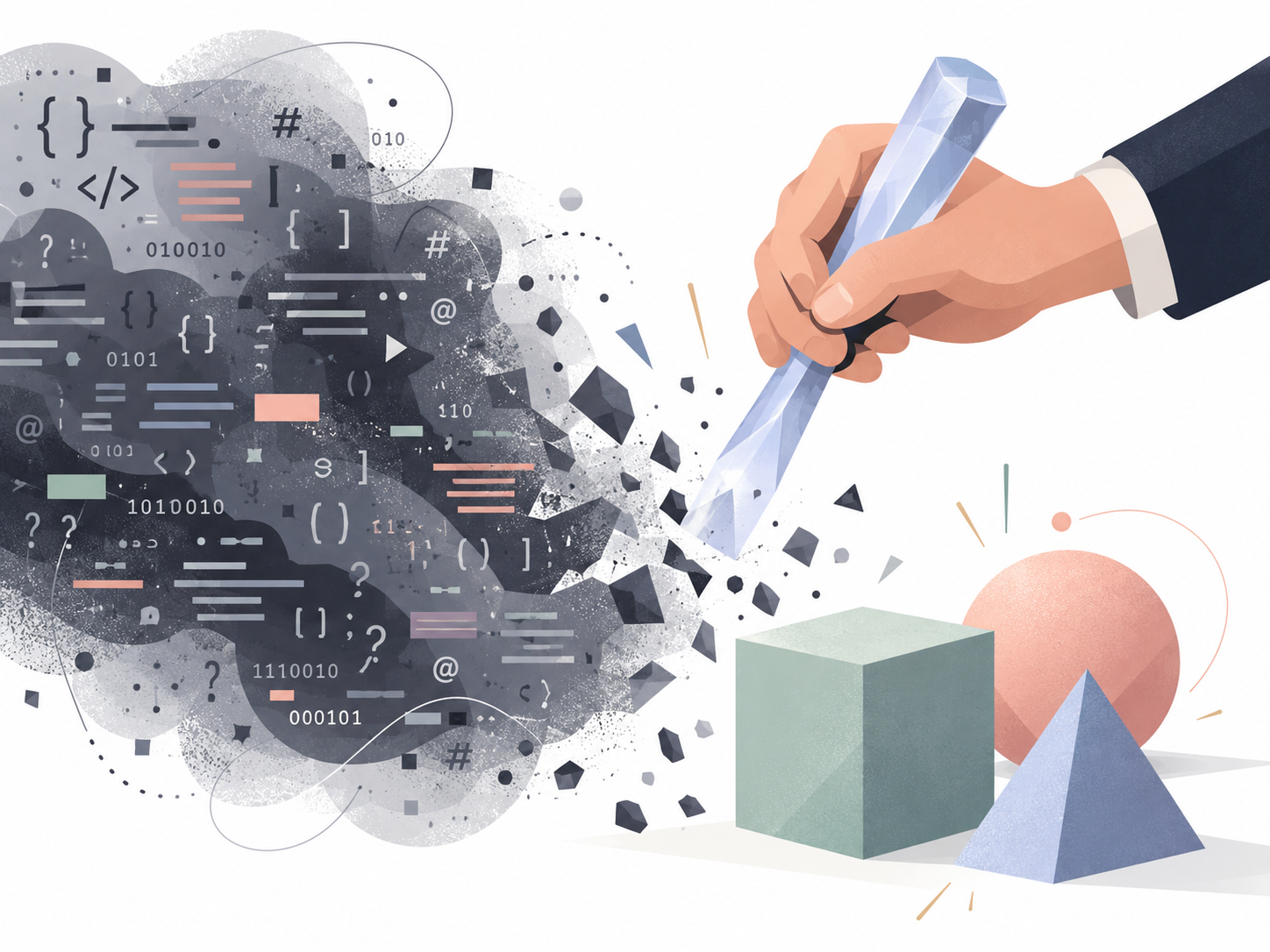
People get nervous every single time a new tool turns up.
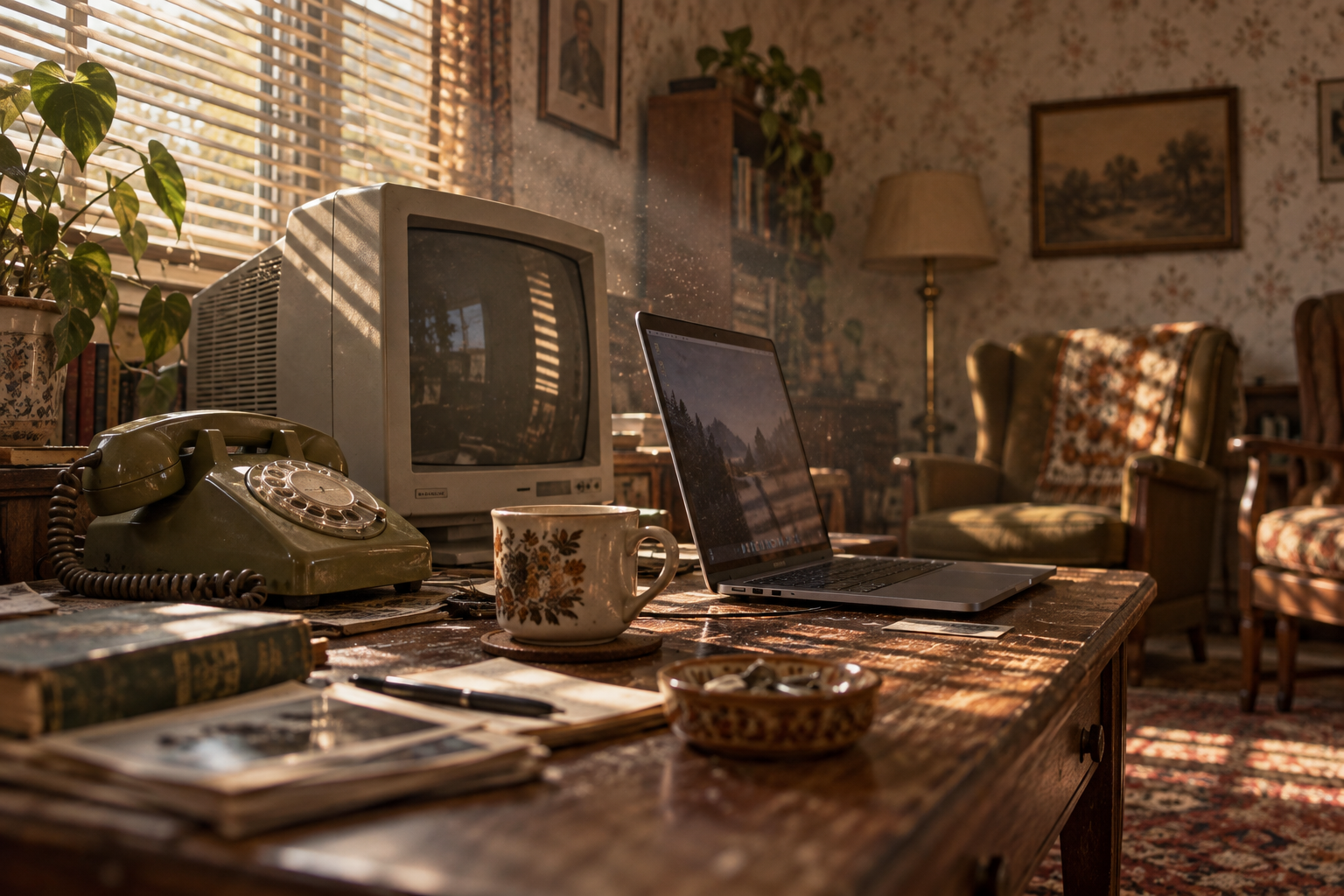
Late in the 1890s, when telephones started popping up in regular homes, critics warned that nobody would talk face-to-face anymore and family dinners would be ruined forever. Then television showed up. Critics called the box a brain-rotting menace that would wreck an entire generation of kids. After that came desktop PCs and bulky mobile phones, bringing the exact same wave of dread about our brains turning to mush. Yet none of those things ended the world. They just faded into the furniture of daily life.
Artificial intelligence is just our turn to run through the very same loop.
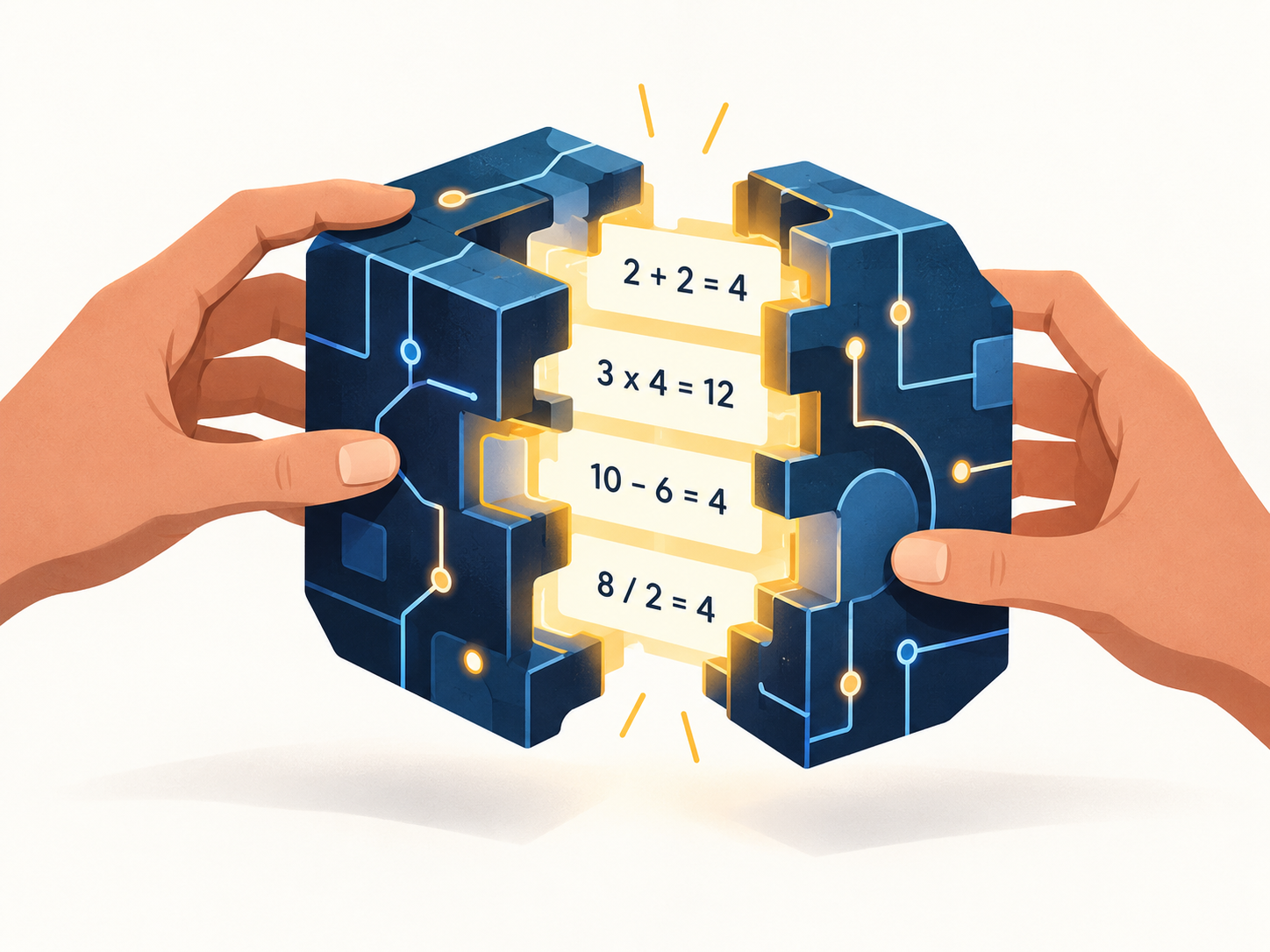
Trying to ban it everywhere is a knee-jerk reaction driven by that old, familiar dread. Code itself isn't good or bad. It doesn't care. Greed is what bends it out of shape—the constant rush to chase quick money, churn out cheap clicks, and cut corners instead of building things that actually matter.
When that impulse takes over, you end up with spam factories and apps built just to hijack your focus. It gets messy. Still, put the same tech into capable, thoughtful hands and the results look completely different. Fighting an impossible battle to wipe these systems out gets us nowhere, so we need to point them in a sensible direction instead.
First, stop using it like an endless feed and make it challenge you.
The actual danger isn't that AI exists on your screen. It is people leaning on it like a crutch, letting a prompt spit out entire essays or plans while their own brains stay switched off. Turn the tables. Draft your thoughts yourself by hand, paste them into the box, and tell the machine to tear your argument apart, find the holes in your reasoning, or hit you with counterpoints. You go from zoning out on auto-pilot to defending your own thoughts.
Second, let it clean up the annoying busywork.
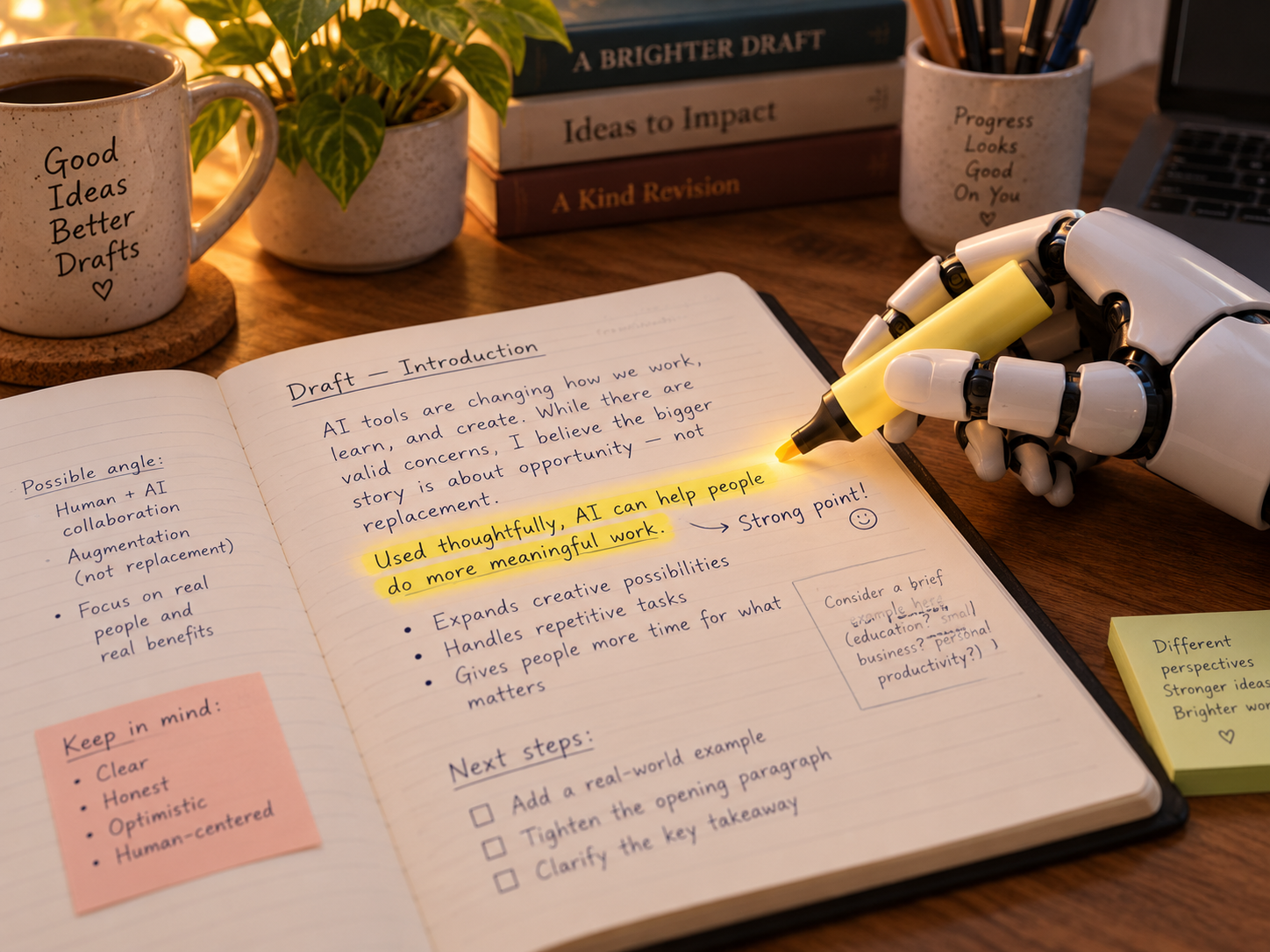
Everyone loses too much time fixing weird line breaks, cleaning up messy notes, or structuring basic bullet points. Hand that dull friction over to the software. Getting rid of those low-stakes chores means less time staring blankly at glowing pixels, which frees up actual space for sitting down with someone, showing a junior peer how to do things, and working through tricky creative ideas. Machines cannot touch that.
Third, look under the hood so nobody can fool you.
Locking models behind a wall won't keep people safe. You have to understand how they work. Once you grasp the basic math behind an algorithm built to keep you scrolling or an image pieced together from training data, the illusion falls apart. The trick fails. You stop feeling like an easy mark and start seeing the screen for what it really is: just software crunching numbers.
Progress has never come from running away and hiding under the bed. AI is already sitting on our desks, and nobody is packing it back into a box. What matters now is making sure it stays a tool that sharpens what we can do, rather than a lazy shortcut that runs down our skills.
— Sharna Ahmed, Educator