The Gold Series: The Fabrication of a Queen
The Lie About the Cake
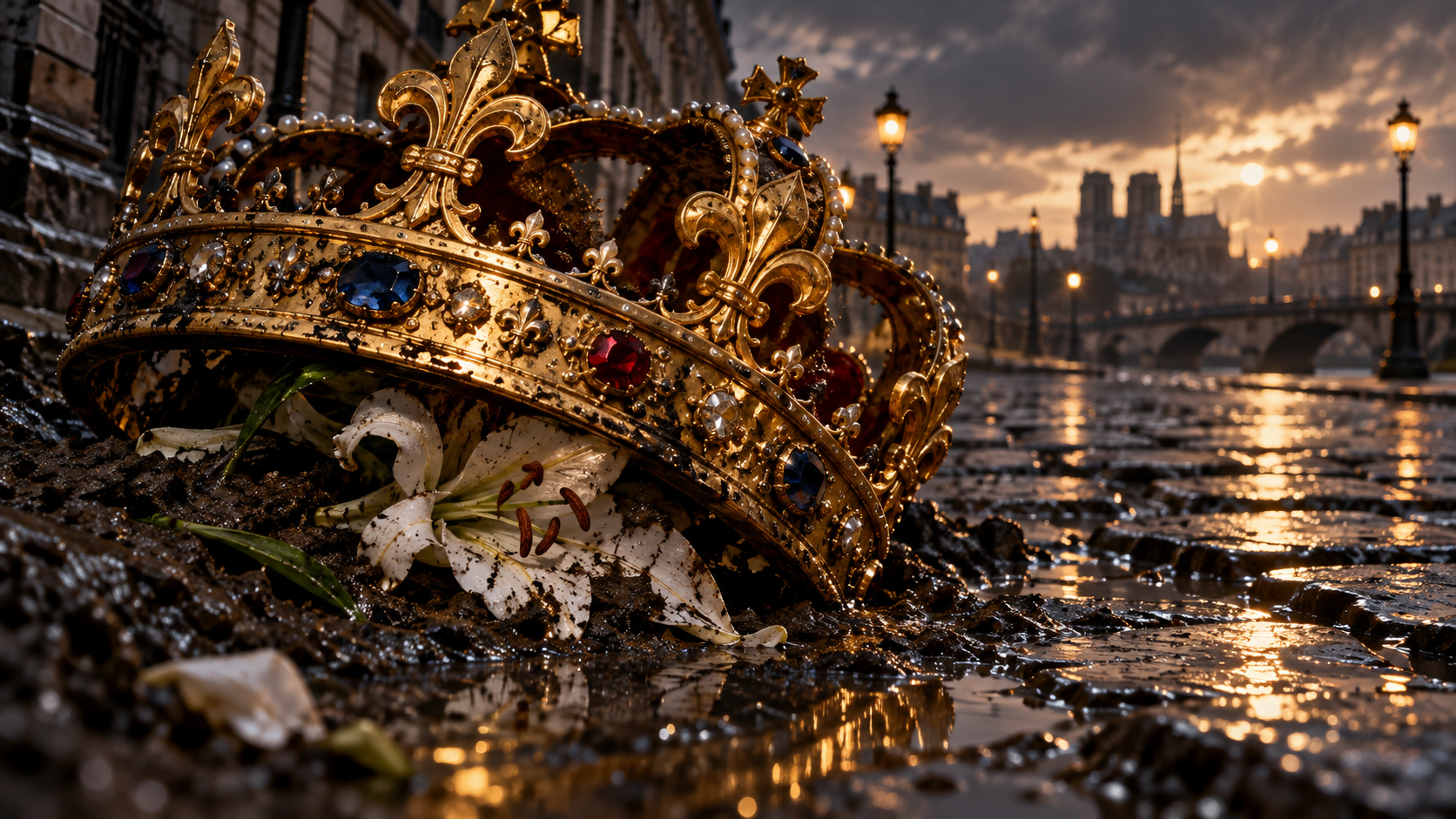
History is often built on a lie. Ask almost anyone about Marie-Antoinette, and they will tell you she was the arrogant Queen who sneered, "Let them eat cake" while the people of Paris starved in the streets.She never said it.
That line was actually a recycled piece of propaganda. People used it against Spanish royalty long before Marie-Antoinette was even born. But the false rumor stuck. It became the backbone of a fake persona, built to justify a bloody revolution.
How the Smear Was Built
Marie-Antoinette did not just lose her throne. She lost her real identity to 18th-century fake news. Long before the attack on the Bastille, underground printing presses across Paris were pumping out vicious smear pamphlets. They were anonymous, mean, and written for one purpose: to ruin her reputation.She was an foreign woman in a French court that ran on bloodlines and deep suspicion. That made her an easy target. The cheap pamphlets described her as a greedy monster.
They were not just attacking an individual woman. They were building a convenient fall guy for the country's economic breakdown. By the time riots hit the streets, the public was not fighting the real Queen. They were fighting a phantom created by the press.
The Diamond Necklace Scandal
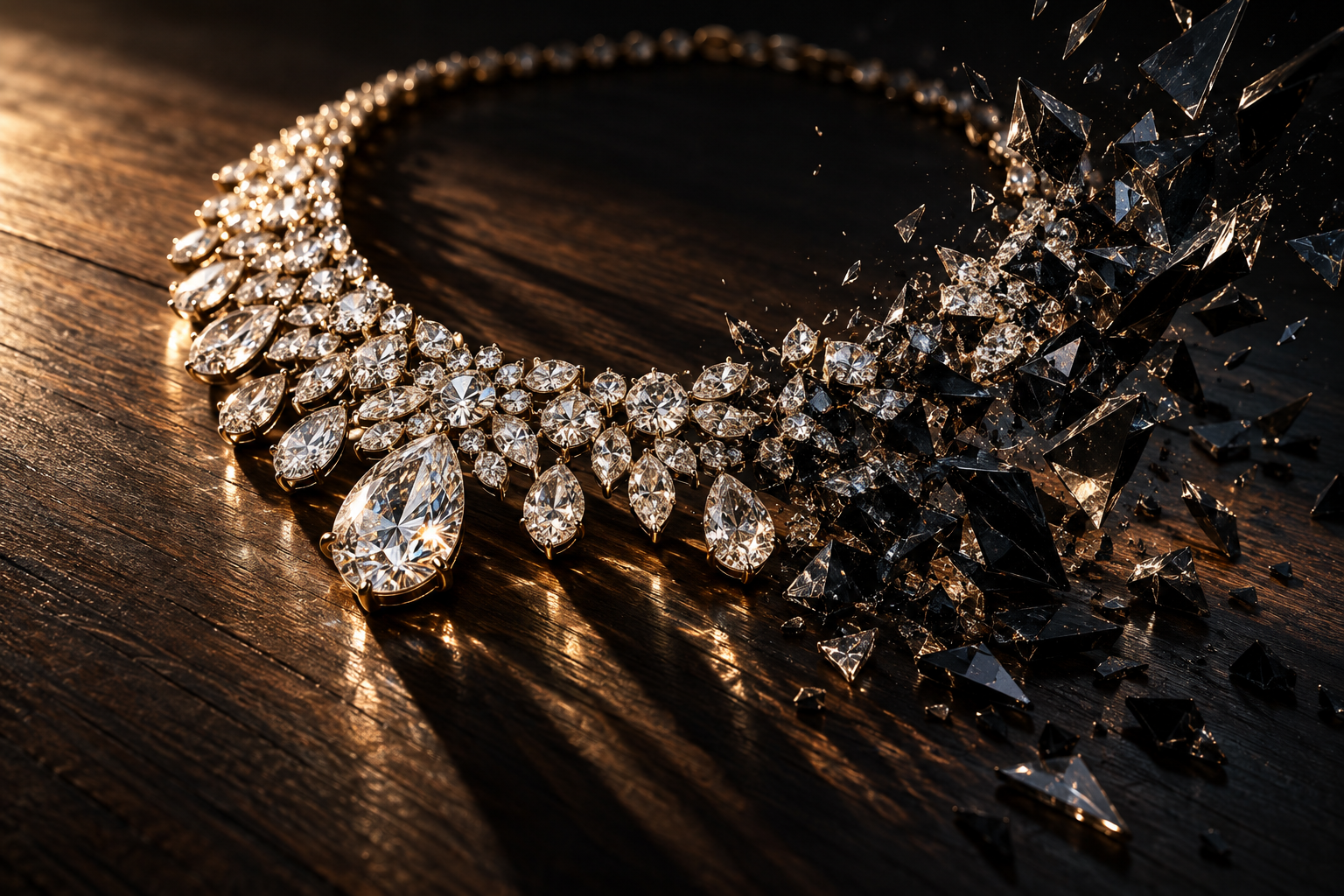
In 1785, a massive fraud broke out that delivered the final hit. A group of swindlers, led by a deceitful woman named Jeanne de la Motte, forged the Queen's signature. They tricked a high-ranking Cardinal into buying an insanely expensive diamond necklace under the table.Marie-Antoinette knew nothing about the plot. She was totally innocent. Yet the public trial turned into a massive nightmare.
She had zero involvement in the deal. Even so, a furious public blamed her for the outrageous cost of the jewels. The country was already broke, and people were angry. She became the target of a scam she never knew existed, and she eventually paid for it with her life.
"The Diamond Necklace Affair was not the cause of the Revolution, but it was the final blow to the Queen's reputation."— Antonia Fraser, Marie Antoinette: The Journey
Enemies Inside the Palace
The most dangerous threats were not standing outside the city gates. They were walking the halls right inside the palace. Marie-Antoinette was surrounded by noble traitors who spent their own money to destroy her.The biggest player was her own cousin-in-law, Louis Philippe II, the Duc d’Orléans. He was one of the richest men in France. He wanted to strip power from the King and put himself at the top of a new government.
The Duc d’Orléans poured his fortune into funding angry journalists, pamphleteers, and street protest leaders. His private home in Paris, the Palais-Royal, became the main headquarters for anti-royal propaganda.
As political groups grew stronger, radical clubs like the Jacobins and Cordeliers jumped on these rumors. They needed a shared enemy to bring the working class together. They claimed Marie-Antoinette was a traitor who leaked military secrets to Austria. This tactic helped turn ordinary people against the monarchy for good.
Setting the Record Straight on Secret Groups
The sheer speed and violence of the revolution shocked the world. It sparked long-running rumors that secret societies masterminded the whole thing. People pointed fingers at groups like the Bavarian Illuminati or underground Masonic lodges.Freemasonry was definitely popular among progressive French nobles at the time. Many members liked new ideas about liberty and reform. But real history shows there was no single secret group pulling strings to destroy the Queen.
The truth is simpler. She was caught in a deadly mix of bad forces. She had rich enemies inside her own court using the media against her. She faced radical political groups chasing power. And she had to deal with a starving public ready to believe any terrible story about an out-of-touch foreign queen.
The Real Tragedy
The Queen often fled to her private gardens at Le Petit Trianon to get away from court stress. But the press turned her desire for privacy into proof that she hated the public. They treated her silence as an admission of guilt.By 1793, when guards marched her to the guillotine, the real woman was already gone. The revolutionary court executed someone they called "The Widow Capet." That was the fictional monster created by palace enemies and perfected by newspapers.
Marie-Antoinette’s story shows how fast a real person can be erased by a made-up story. She did not fall just because she was royal. She fell because she did not realize a key truth about power: what people believe is true often matters more than what is actually real. She died for a fake persona she never created, caught in a collapse she never understood.